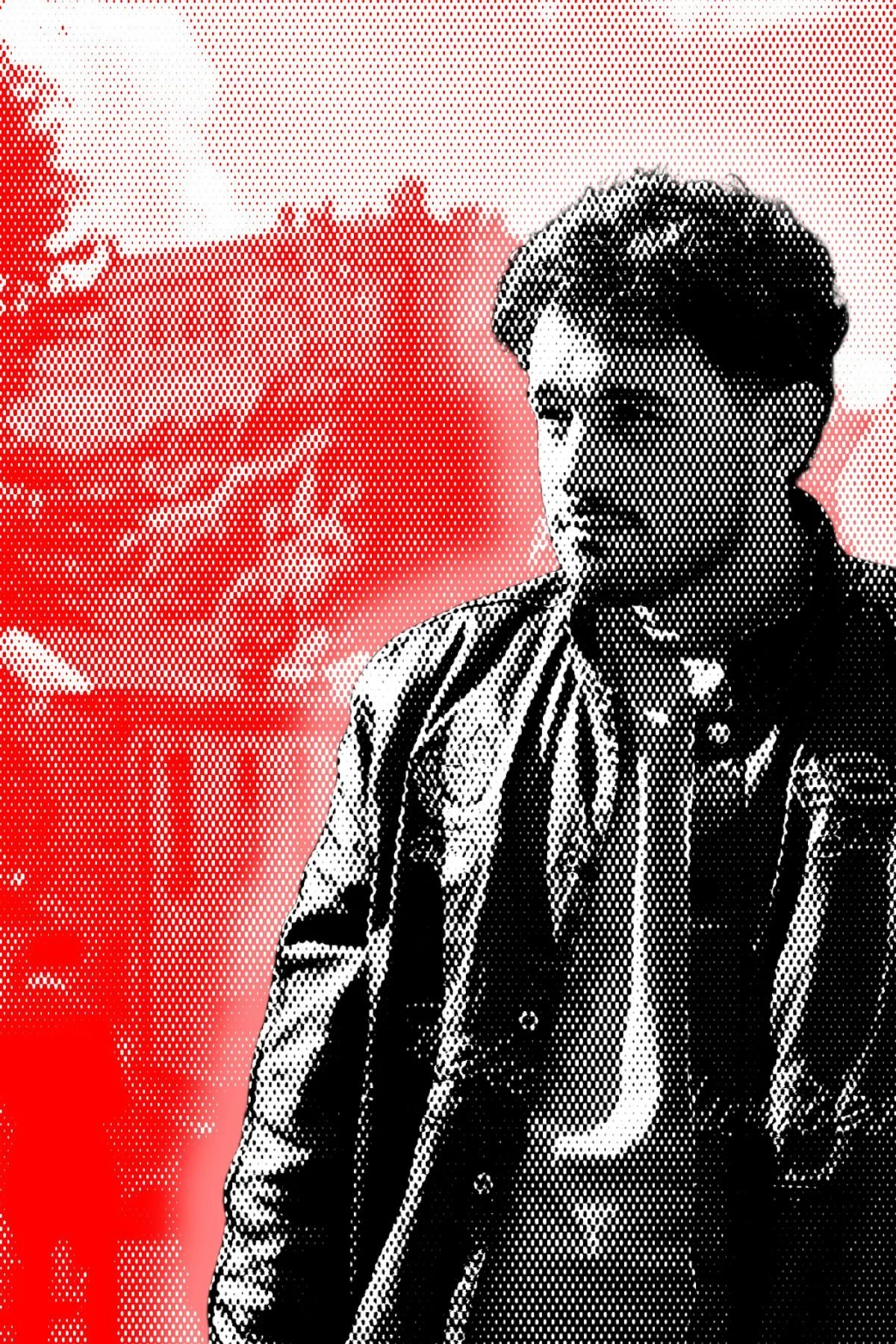
About
I made my first film when I was nine years old using the camera on my mom’s laptop. I wrote the script without knowing how scripts were supposed to be written, filmed it myself, and fell in love with the process of turning an idea into something real.
There was never one exact moment when I realized I was creative. I just always knew creativity was the place where I felt most like myself. Since I was a kid, I’ve been drawn to stories, images, characters, spaces, objects, and the strange way a simple idea can become something people actually feel.
After high school, I studied Professional Writing at Western Connecticut State University, with a focus in creative writing and screenwriting. My education stretched across nearly every form of writing: journalism, copywriting, report writing, multimedia writing, poetry, and dramatic storytelling. I also minored in psychology, which deepened my interest in people — how they think, what they feel, what they notice, what they avoid, and what makes them connect.
While I was in college, I started The Cyberspace Shop, a leisurewear brand centered around Gen Z, digital identity, and internet culture. I was nineteen, building a brand before I fully understood that was what I was doing. I worked with influencers, designers, and creative people from around the world, learning about social media, e-commerce, visual identity, product drops, content strategy, and how a brand can connect with a larger audience.
That experience taught me that creativity does not live in one place. It can be a logo, a website, a hoodie, a caption, a campaign, a photo, a feeling, or a community. It showed me how design, storytelling, and strategy work together to make something feel real to people.
During college, I also completed an independent study with graduate professor Louisa Burns-Bisogno, where I wrote an eight-episode drama television series and learned the structure, discipline, and emotional architecture of screenwriting. In my final semester, I studied abroad in Edinburgh, Scotland, one of the most literary cities in the world. Being surrounded by that much history, atmosphere, and creative energy changed the way I thought about writing, storytelling, and the kind of life I wanted to build.
After college, I worked as a sales and design consultant for a home renovation company, where I learned that design is deeply human. Working directly with clients taught me how to listen, how to understand what people actually need, and how to translate those needs into something functional, beautiful, and personal. It also taught me that people want to feel seen, heard, and understood — and that the best creative work starts there.
That belief carries into everything I do now. I’m interested in making things beautiful, but I’m even more interested in making them effective. Depending on the goal, I can shape a project to feel emotional, polished, strategic, commercial, intimate, cinematic, culturally relevant, or highly conversion-focused. To me, creative direction is not just about aesthetics. It’s about understanding the purpose of something and building the strongest possible way for people to experience it.
I currently work with Topolino Design, a furniture company creating handmade, sculptural, and highly functional pieces. My role combines photography, storytelling, content strategy, and brand development to help build the company’s visual identity and public presence. Through product photography, video, social media, press materials, competition entries, and creative strategy, I help translate physical objects into stories people can understand, remember, and connect with.
Across everything I do, I’m driven by a deep interest in the human condition. My creative background did not come from one single discipline. It came from writing, psychology, design, sales, photography, video, branding, and years of trying to understand how ideas move through people.
I’m based between Connecticut and New York City, working across photography, videography, creative direction, strategy, design, and storytelling.
My goal is simple: to create work that feels intentional, emotionally aware, visually strong, and effective in whatever it sets out to do.